If you’ve spent any time searching for a luxury lease in North Dallas recently, you’ve likely felt the "overwhelm." You start on a giant listing site, filter for "Plano," and suddenly you’re staring at 400 properties. Some look high-end, some are clearly just "renovated," and half the pricing you see is likely already out of date.
This is where the apartment locator enters the picture. In Texas, particularly in high-demand markets like West Plano and Legacy West, locators are a standard part of the real estate landscape. Yet, for many renters—especially those relocating from out of state—the service can sound "too good to be true."
Let’s pull back the curtain on how this service actually works, why it costs you nothing, and how it changes the way you navigate the Plano rental market.
1. What Exactly is an Apartment Locator?
In the state of Texas, [an apartment locator](https://apartmentsplanotx.com/) is not just a "helpful researcher." By law, a locator must be a licensed real estate agent. This is a crucial distinction. It means the person helping you is governed by the Texas Real Estate Commission (TREC) and must adhere to strict professional and ethical standards, including Fair Housing laws.
Think of a locator as a specialized real estate agent who focuses exclusively on the rental market rather than home sales. While a traditional agent might help you buy a house in Willow Bend once every ten years, a locator is inside the leasing offices of buildings like LVL 29 or The Kincaid at Legacy every single week. They know which buildings have the best management, which ones have just updated their gyms, and—most importantly—which ones are offering the best move-in specials today.
2. The "Free" Service: How the Math Works
The most common question renters ask is: "If I don’t pay you, how do you get paid?" The answer is simple: The apartment communities pay the locator. In the world of property management, locators are viewed as a highly effective marketing channel. Every luxury building in Plano—from The Grand at Legacy West to The Beacon—has a pre-set marketing budget used to find qualified residents.
When you find your apartment through a locator, the property pays the locator a referral commission out of that marketing budget. It does not come out of your pocket, and it does not increase your rent. In fact, because locators often have the "inside track" on unadvertised specials, you often end up paying less than if you had walked in off the street.
3. Accessing the "Hidden" Market
One of the biggest frustrations for DIY searchers is the "Zillow Lag." Large national platforms often have a 24- to 72-hour delay in updating their data. In a fast-moving market like Plano, a high-end unit with a "6 weeks free" special can be leased in the time it takes for a website to refresh its feed.
Locators use proprietary, professional-grade databases (tools like Smart Apartment Data or ALN) that provide real-time updates directly from property managers.
-
Real-Time Specials: Locators see "Hot Sheets" that list immediate move-in credits or waived administrative fees that aren't always publicized.
-
True Availability: A locator can verify if that specific floor plan at Latitude or Morada is actually available for your move-in date before you waste an afternoon driving to East Plano.
-
Specific Criteria: Need a gas range, a 24-hour concierge, or a very specific pet policy? A locator can filter for those technical details in seconds, whereas a standard search engine might just give you a generic "pet-friendly" tag.
4. Saving the Most Valuable Commodity: Your Time
Apartment hunting is essentially a part-time job. Between researching areas, calling leasing offices to verify if the "starting at" price is actually accurate, and trying to schedule tours around your work life, it easily consumes 15 to 20 hours of your week.
A locator handles the "heavy lifting":
-
Curation: Instead of 50 properties, you get a "Top 5" list hand-picked for your specific style and budget.
-
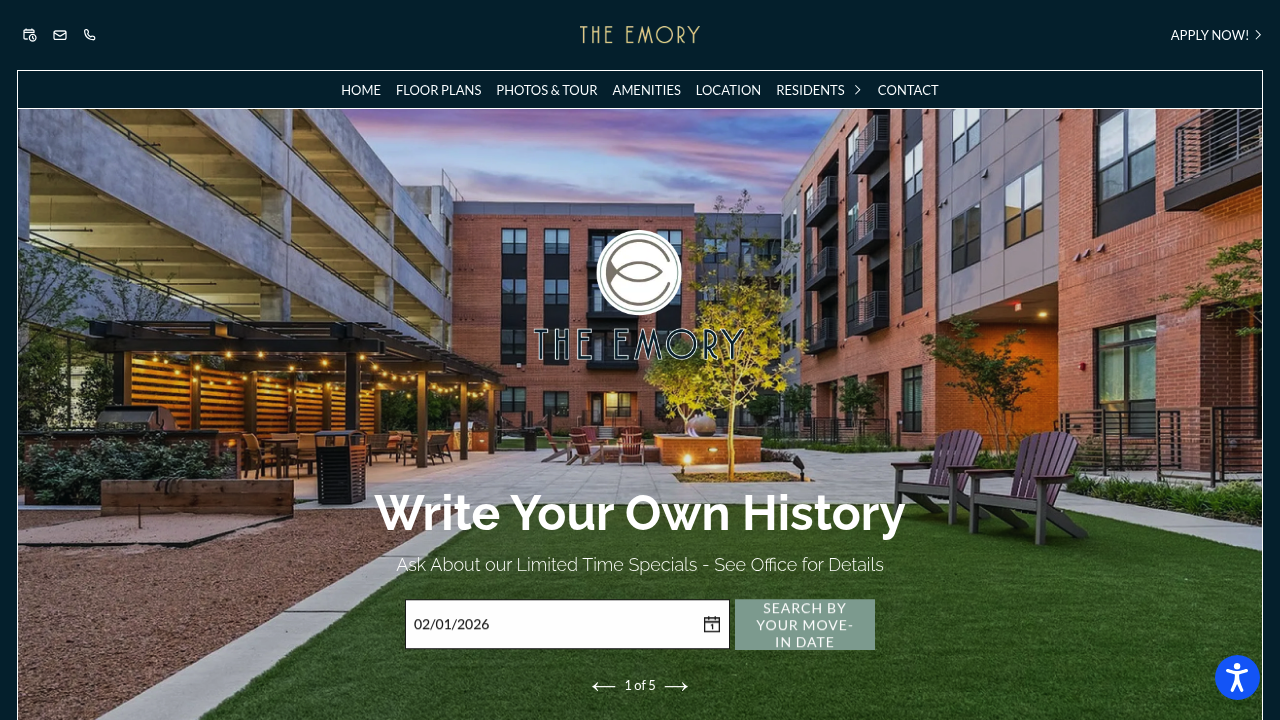
Scheduling: They can coordinate your tours so you can see The Emory, Ferro, and The Bridge at Heritage Creekside in one efficient afternoon.
-
Advocacy: If you have a unique situation—like a short-term corporate lease requirement or a specific move-in timeline—the locator acts as your advocate with the leasing manager to see what’s possible.
5. Common Mistakes to Avoid
Even with a locator, there is one "rule" you must follow to ensure the service remains free: The Guest Card.
To ensure the locator gets credited (and can continue providing the service for free), you must list their name (or their company name) on the very first "Guest Card" you fill out—whether that’s online or in person at the leasing office. In the Texas market, this is the "paper trail" that links the locator to your move.
Moving Forward with Confidence
Luxury renting in Plano doesn't have to be a game of "refreshing the browser" and hoping for the best. By leveraging a licensed professional, you gain an insider's view of the West, Central, and East Plano markets that a standard search simply can't provide.
Ready to see what's actually available in the Plano luxury market right now? Instead of scrolling through outdated listings, let us build a custom "Hot Sheet" for your specific move date. Browse our Plano directory to see the latest property spotlights, or reach out directly to get matched with your perfect Plano apartment today.